





Expert Guide To Cladding In The UK
Choosing the right cladding has never been merely a question of appearance. In the UK, the decision typically involves protecting the external walls, thermal performance, durability, maintenance, architectural context and, in many cases, compliance with planning and building regulations. With so many types of cladding available, the right choice depends on both the building and the needs of the project.
Put simply, cladding acts as a layer applied to the exterior of a building to help protect the structure and refresh the appearance of the façade, but the end result depends as much on the material as on the complete system and its installation. At the same time, the issue has taken on much greater significance in the UK market following discussions about fire safety, external wall systems and remediation. Sustainable cladding materials are also becoming more important, particularly where long-term durability, low maintenance and reduced lifecycle impact matter.
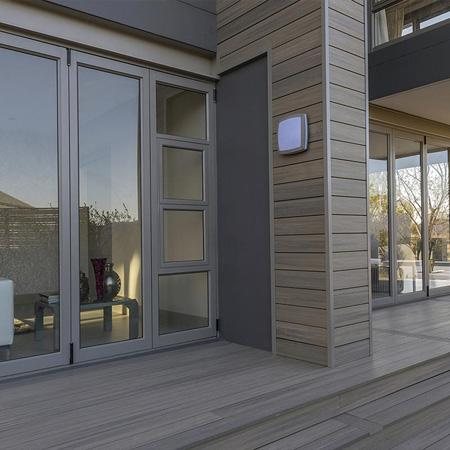
What is Cladding?
Cladding is the layer or material applied to the external walls of a building to help protect the building structure, change the appearance of the façade and, in many cases, contribute to insulation and weather resistance. In residential, commercial and renovation projects, it can be used both to update an older property and to define the visual identity of a new building.
The façade is the visual impression of the exterior; cladding, in turn, is the material or system applied to this outer envelope. It is not purely decorative: it also helps protect the building structure. This is why the choice should not be made solely on the basis of colour or texture. The cladding materials chosen must be suited to the property’s use, exposure to the elements, expected maintenance requirements and the technical specifications of the project.
How Cladding Systems Work
Cladding systems are not limited to the visible panels. The overall performance depends on the finishing material, the method of fixing, the condition of the existing wall, drainage, protection against water ingress and, where applicable, how the system interacts with insulation, ventilation and cavity barriers.
This is why two cladding systems with a similar appearance can deliver very different results in the long term. In multi-occupancy residential buildings, discussions about external walls now explicitly include cladding, balconies and other elements related to fire risk assessment. In most cases, cladding is non-load-bearing, so specification still needs to account for weather exposure and fixing performance.
Types of Cladding: Main Cladding Materials Used in the UK
When it comes to the different types of cladding, the UK market offers a wide range of cladding materials and systems, including timber cladding, brick cladding, metal cladding, composite cladding, stone, render, uPVC and fibre cement. Each option alters the balance between aesthetics, visual weight, maintenance, installation cost and performance over time, so the right choice depends on the style of the project, the expected upkeep and the practical demands of the building.
Timber Cladding
Timber cladding remains highly sought after by those looking for visual warmth and a more natural finish. It works particularly well on extensions, garden rooms, contemporary homes and projects aiming to bring the outdoors into a more organic design scheme. On the other hand, timber tends to require more maintenance, especially when the aim is to preserve its colour and finish for years to come.
Brick Cladding
Brick cladding and other mineral-look solutions remain popular because they combine aesthetic familiarity with low maintenance. In some projects, modern external brickwork systems can also offer a more streamlined installation route while preserving the look of traditional brick façades. Finishes such as brick and cement typically require little maintenance compared to timber or weatherboard finishes, which usually need more frequent cleaning and treatment.
Metal Cladding
Metal cladding, on the other hand, tends to appeal to projects with a more contemporary, industrial or architectural style. Aluminium cladding is especially popular for modern façades because it is lightweight and corrosion-resistant, while steel can suit projects where extra strength is required. In all cases, careful specification is needed to ensure the finish works with the scale of the building and its surroundings.
Composite Cladding
Composite cladding has gained popularity precisely because it offers a very attractive middle ground for consumers. Among modern composite materials, it remains one of the most practical options for low-maintenance residential exteriors. It provides the look of wood or timber weatherboards with a lower-maintenance option. Composite cladding is typically made from a blend of recycled wood fibres and plastics, designed to mimic the appearance of natural wood while being low-maintenance and resistant to rot. Rather than relying on paint, oil or frequent treatment, it is often chosen by those who wish to reduce the maintenance cycle without compromising on texture, colour or visual appeal.
In larger façade projects, you may also come across composite panels such as aluminium composite material (ACM) or high pressure laminate (HPL). However, these materials require separate fire-safety and compliance assessment and should not be treated as interchangeable with domestic composite cladding products.
Composite Cladding vs Timber Cladding: Which Makes More Sense in the UK?
Timber cladding has charm, authenticity and tradition, but it also demands a greater commitment to upkeep. Depending on the species, finish and exposure, timber may require periodic cleaning, re-treatment and ongoing attention to preserve its appearance and performance.
For many homeowners, this makes sense; for others, it is exactly the kind of maintenance they want to avoid. This is where composite cladding has become a very competitive alternative. At Maple Plastics, the NewTechWood range is a wood-effect solution for horizontal or vertical installation, designed to combine appearance and functionality.
The material is waterproof, UV-resistant, contains mould inhibitors, requires no painting and is less prone to warping than traditional timber. It is ideal for those seeking a balance between aesthetics and practicality.
Furthermore, the product is manufactured from 95% recycled materials and comes with a limited manufacturer’s warranty of 25 years for residential use and 10 years for commercial use. This helps explain why composite cladding has come to be seen not only as an aesthetic alternative to timber, but as a strategic choice for those wanting a durable, low-maintenance exterior.
Sustainable Cladding and Low-maintenance Solutions
In today’s market, sustainable cladding is not just about choosing an environmentally friendly material in theory. It is also about reducing environmental impact through longer lifespan, lower maintenance and fewer replacement cycles. In practice, sustainability is also linked to longevity, maintenance frequency and whether or not the cladding needs to be repainted, replaced or refinished at short intervals.
A material that lasts longer, requires fewer products over its lifespan and retains its appearance better can be a more environmentally intelligent choice in many projects. This is precisely why composite solutions have gained traction in residential and light commercial projects. For those wishing to reduce seasonal maintenance and preserve a contemporary look for longer, this can be a very compelling option.
How to Choose the Best Cladding for Your Project
The best choice is almost never the cheapest option at the time of purchase, nor the most eye-catching one in the catalogue. What really matters is how well the material fits with the type of property, the architectural style, the façade’s exposure, the time available for maintenance, and the technical requirements. Depending on the project, that may also include good fire resistance, corrosion resistance and whether certain cladding systems, including insulated options, would improve energy efficiency.
In houses and small extensions, for example, the decision usually hinges on appearance, maintenance and planning. In more complex residential buildings, however, cladding systems, fire safety and external wall assessment play a much greater role in the equation. For renovation projects, there is also a very practical consideration: building regulations may come into play even when the work appears to be purely cosmetic.
In England, if 25% or more of an external wall is re-rendered, re-clad, re-plastered or re-lined internally, or if 25% or more of the external leaf is rebuilt, the regulations usually apply and thermal insulation generally needs to be improved. Wales follows a similar approach. At the same time, planning permission may or may not be required, depending on the type of property and its location, particularly in the case of listed buildings and conservation areas.
Why Choose Maple Plastics
Maple Plastics offers materials designed for durability, low maintenance and a clear commercial focus. The company is an independent supplier of uPVC and composite solutions, offering nationwide delivery in the UK, extensive stock and a focus on products designed for residential and commercial use. When it comes to cladding specifically, Maple’s strength lies in linking technical specifications to real benefits for the customer.
The products offer a wood-grain appearance, the option of horizontal or vertical installation, water resistance, colour stability through UV protection, mould inhibitors, easy cleaning and a high recycled content. Combined with the manufacturer’s warranty and contemporary visual appeal, this positions Maple’s products as a highly competitive choice for those seeking the look of timber with a genuinely low-maintenance profile.
Summary
Cladding remains one of the most effective ways to transform the exterior of a property in the UK, but making the right choice depends on much more than just aesthetics. It is necessary to consider cladding materials, cladding systems, maintenance, weather resistance, thermal performance, the regulatory framework and, where applicable, fire safety.
For many residential projects, the decision ultimately comes down to whether the authenticity of timber, with its higher maintenance requirements, is worth it, or whether a material with a similar appearance and lower upkeep is preferable.
FAQ
Cladding is a material or layer applied to the external walls of a building to enhance protection, aesthetics and, in many cases, thermal performance and weather resistance.
The different types of cladding most commonly used in the UK include timber cladding, brick cladding, metal cladding, composite cladding, stone, render, uPVC and fibre cement. In some modern façade projects, you may also come across composite panels such as ACM and HPL, but these are usually specified with stricter fire and compliance considerations. The choice depends on the style of the project, the expected maintenance and the budget.
There is no one-size-fits-all answer. Timber can offer a very strong natural look, but it usually requires more maintenance. Composite is often preferred when the aim is to reduce painting, treatment and upkeep without sacrificing the aesthetic of wood.
It can help, but performance depends on the complete system and how the external wall is treated. In certain projects, building regulations may even require improved thermal insulation.
No. In England, outside conservation areas, cladding can often be installed without prior planning permission provided the materials are similar in appearance to those of the existing building. For listed buildings and in areas such as Conservation Areas, National Parks, AONBs and similar, the requirements differ. Wales has its own guidance.
No. According to RICS, the need for an EWS1 depends on factors such as the height of the building, the type and quantity of cladding and, in some cases, the presence of balconies and combustible materials. Furthermore, the form is for valuation/lending purposes and is not a life safety certificate.
